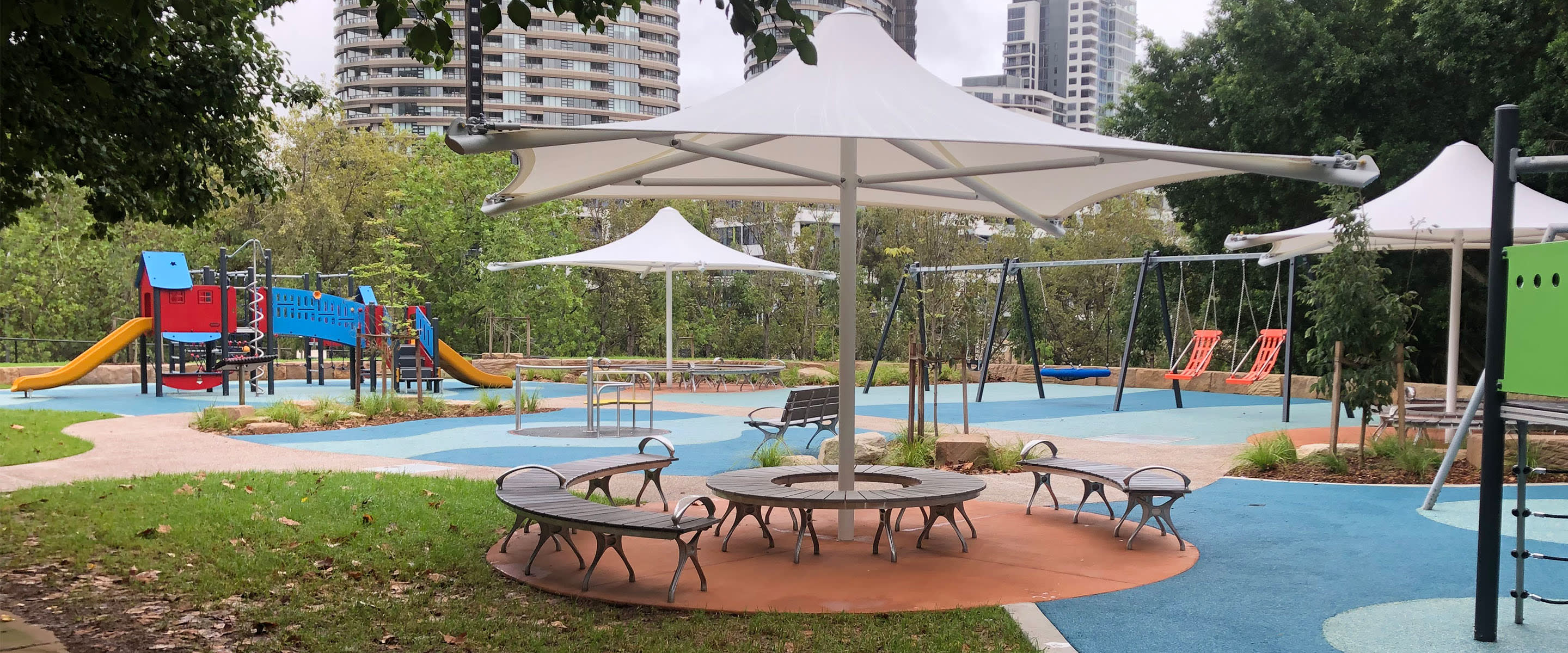
Public spaces play a vital role in fostering well-being, social connection, and community pride. As cities grow denser and populations age, the design of our streets, parks, plazas, and shopping centers must evolve to welcome everyone. More than just static elements in a landscape, park benches, picnic tables, and rest points directly dictate whether a person can comfortably and confidently participate in public life.
Too often, accessibility is viewed purely through the lens of strict code compliance. True inclusivity, however, goes beyond ticking a legal box; it is about applying accessible furniture design to create environments where people of different ages, abilities, and needs can rest, gather, and socialize with dignity. As a trusted local manufacturer, botton+gardiner works closely with landscape architects, municipalities, and developers to deliver high-quality, practical, and beautiful commercial furniture solutions that make universal access a seamless part of the design.
Accessibility Compliance and Universal Design: The Foundation
When planning the public realm, it helps to understand the relationship between statutory compliance and inclusive design:
Accessibility Compliance: Grounded in the Americans with Disabilities Act, this is the legal baseline ensuring non-discriminatory access to public spaces. Standards such as the 2010 ADA Standards for Accessible Design provide technical guidance for spatial clearances, circulation routes, and wheelchair accessibility.
Universal Design: This is a broader, human-centered design philosophy. Guided by the principles of universal design, it asks a simpler question: How can we make this space usable for the greatest number of people without the need for specialized adaptation?
Designing with an accessibility-conscious mindset means looking past the minimum dimension on a checklist. It means considering the real-world experiences of people with disabilities, older adults, parents with strollers, young children, and individuals recovering from temporary injuries or managing chronic fatigue.
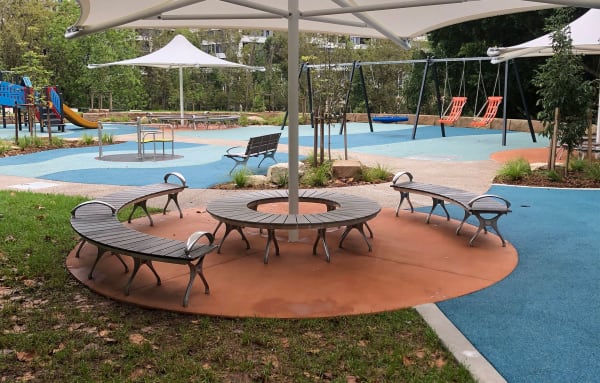

What Makes Public Furniture Accessible and Inclusive?
To move from standard street furniture to true accessible furniture, several key design principles must be integrated into the product selection:
1. Supportive Seating Anatomy
For many people with mobility challenges or mobility limitations, the physical act of sitting down and standing back up requires significant effort.
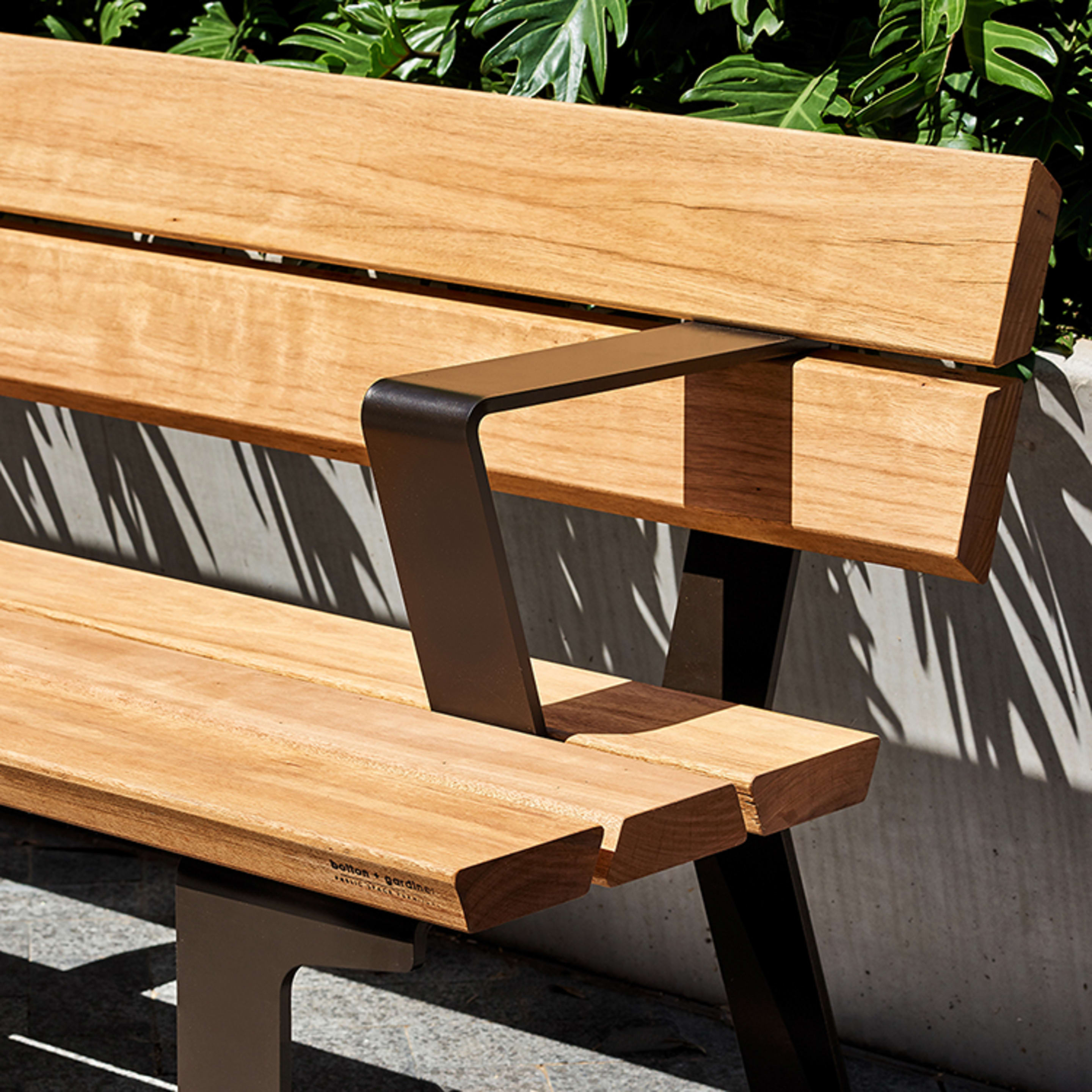
Backrests and Armrests: Providing sturdy backrests and armrests gives vital leverage for older adults or individuals with mobility challenges to push themselves upward safely.
2. Wheelchair Integration
Traditional picnic tables often isolate users at the very end of a bench. True accessible outdoor furniture features extended tabletops or structural cut-outs that allow a wheelchair user to sit directly alongside family and friends, ensuring social equity.
3. Visual and Sensory Clarity
For individuals with low vision, navigating an open plaza can be daunting. Selecting accessible furniture with strong color contrast against the surrounding pavement improves visibility, safety, and independent navigation.
Placement Matters as Much as the Product
An impeccably engineered accessible bench will still fail if it is placed in an unreachable location. To ensure success, landscape planners must treat placement as a core accessibility feature:
Step-Free Connectivity: All accessible outdoor furniture must connect directly to firm, level, step-free pathways. Avoid placing inclusive seating on loose gravel, deep mulch, or uneven turf, which trap wheels and create tripping hazards.
Strategic Rest Points: Distribute comfortable seating predictably along key walking routes, near district entrances, public restrooms, playgrounds, and transport stops to support individuals who benefit from regular rest while moving through a space .
Inclusive Clustering: Avoid creating an isolated "accessible zone". Instead, integrate varied seating options - combining standard benches, clear companion spaces, and wheelchair-friendly tables, into a single, cohesive social cluster.

Designing for More Than Mobility
Inclusive public environments recognise that comfort is multi-dimensional. Beyond physical access, thoughtful furniture designs can accommodate sensory and cognitive needs.
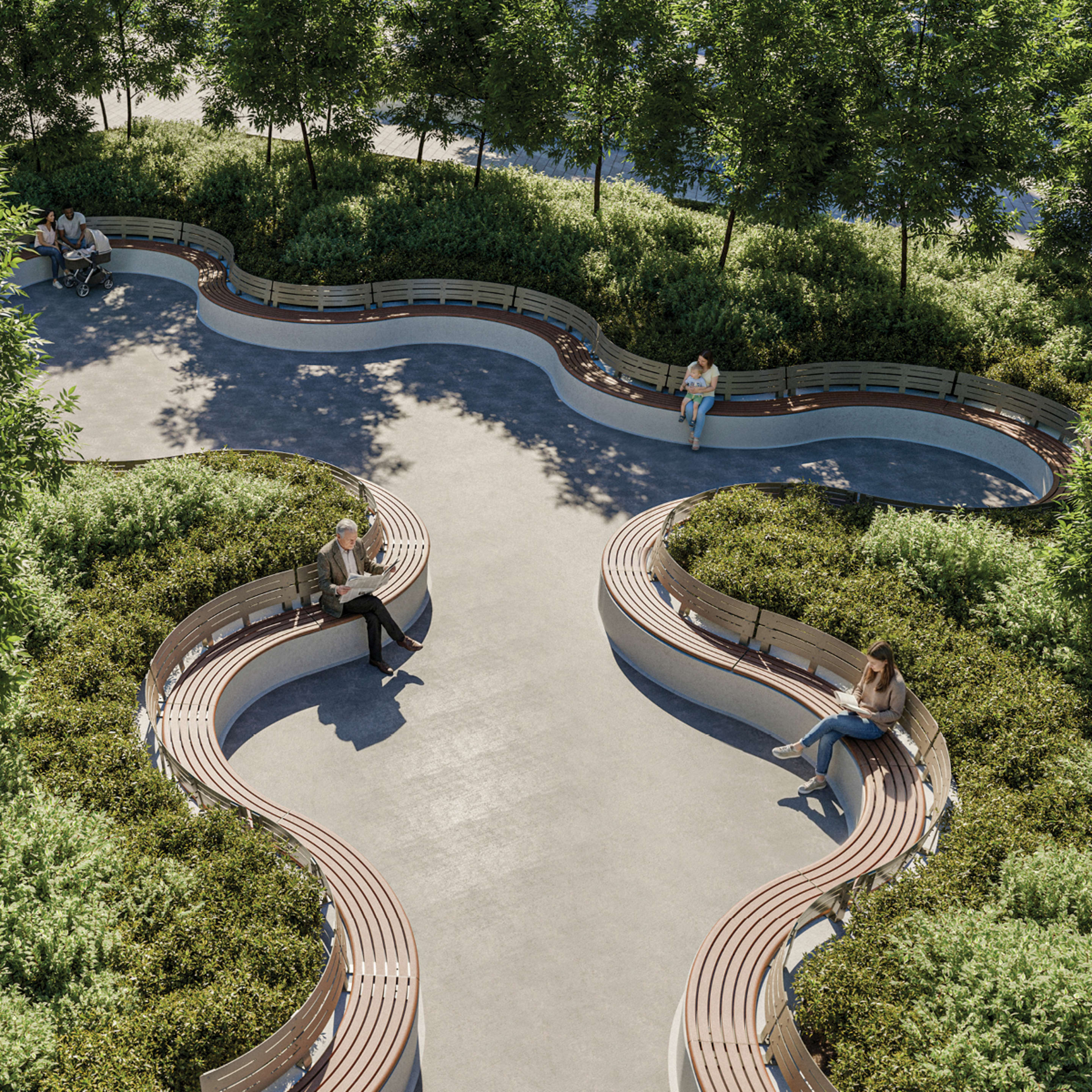
For instance, creating quieter seating zones set back from heavy foot traffic, intense glare, or loud ambient noise, benefits neurodivergent individuals, parents feeding young children, or older adults experiencing sensory overload. Providing a mix of modular, linear, and curved seating options ensures that people can choose the exact level of privacy or social interaction they feel comfortable with.
Why Inclusive Furniture Benefits Municipalities, Retail Districts, and Developers
Investing in universal accessible design isn't just ethically sound - it drives measurable community and commercial outcomes:
Increased Dwell Time: In shopping centers and retail districts, providing frequent, supportive rest points allows shoppers to pause and recharge between destinations, resulting in longer stays and increased economic activity.
Reduced Retrofit Risk: Proactively addressing specific requirements during the initial specification phase eliminates the high cost and disruption of modifying public spaces later due to accessibility complaints.
Future-Ready Assets: As demographic trends continue toward an aging population, installing durable, inclusive assets ensures civic spaces remain highly functional for decades to come.
Where Accessibility, Durability, and Sustainability Meet
At botton+gardiner, we believe that making a space accessible shouldn't come at the expense of environmental responsibility or architectural beauty. Public furniture must perform in a wide range of environmental conditions - from extreme UV exposure and coastal environments to heavy, high-traffic commercial use.
To ensure long-term usability, our collections pair universal design principles with durable, sustainably sourced materials:
Certified Hardwoods: Responsibly sourced timbers that bring natural warmth, grain variation, and exceptional structural longevity to the public realm.
Duraslat Smart Alternative: A low-maintenance, sustainable composite option designed to withstand severe weather without splitting or fading.
Locally Sourced Steel and Aluminum: Maximizing recycled content and ensuring end-of-life recyclability, all while providing the structural integrity required for public safety.
By keeping our design and manufacturing local, we retain the in-house capability to modify dimensions, frame finishes, and layouts to meet the exact compliance and aesthetic needs of your site.
Create Places That Welcome Everyone
Building a truly inclusive community starts with the practical, everyday design choices we make in the public realm. By aligning accessibility-conscious planning with beautiful, durable, and sustainable universal design, you transform an ordinary streetscape into a welcoming sanctuary for all.
Are you currently specifying furniture for a new civic pathway, parkland, or retail district?
Explore More
Discover our full range of commercial seating and commercial benches.
View our wheelchair-accessible commercial tables.
Learn more about our commercial outdoor furniture settings.